Care guide · Reviewed
How Often to Water a Snake Plant: Signs It Needs Water
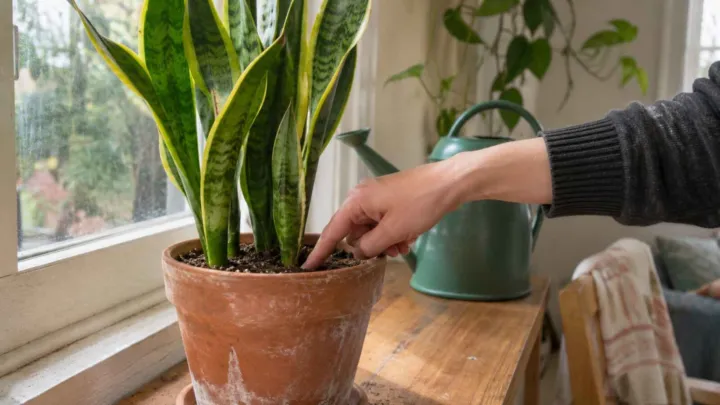
A soil-first guide to checking moisture, adjusting for the seasons, and avoiding overwatering. How often to water a snake plant is one of the…
Read guide →

Review Board member
M.S. in Plant Science
Aqsa Shoukat reviews care guides for House Plant Trail, checking that recommendations match the cited extension and botanical garden sources. 10 years growing houseplants.
Plant-care research and educational content, with a focus on watering, soil health, sunlight requirements, plant growth, and common plant problems. Brings an education background and a focus on clear, accessible editorial review.
Browse the HousePlantTrail content written by this contributor.
These guides list this contributor as a reviewer.
Care guide · Reviewed
A soil-first guide to checking moisture, adjusting for the seasons, and avoiding overwatering. How often to water a snake plant is one of the…
Read guide →
Care guide · Reviewed
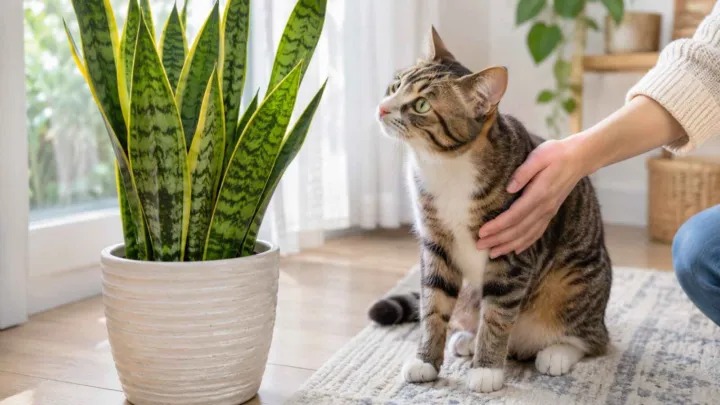
Short answer: Yes. The ASPCA lists snake plants as toxic to cats and dogs. Its entry uses the older name Sansevieria trifasciata and identifies…
Read guide →
Care guide · Reviewed
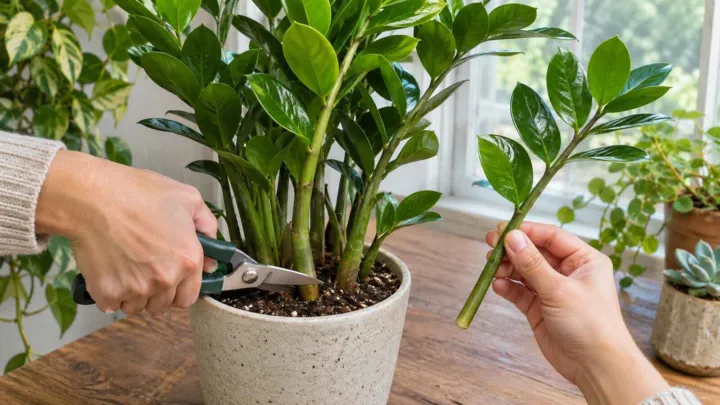
Learn how to divide a mature ZZ plant, root leaf and stalk cuttings in water or soil, and what realistic propagation timelines look like…
Read guide →
Care guide · Reviewed
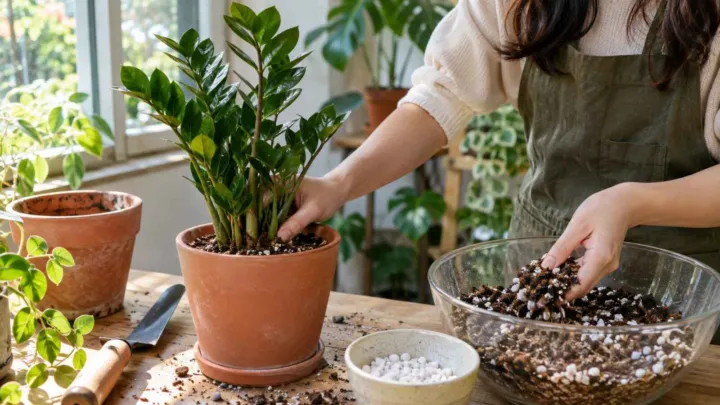
Learn a well-draining ZZ plant soil recipe, when cactus mix can work, and how pot size and drainage affect the roots. The best soil…
Read guide →
Care guide · Reviewed
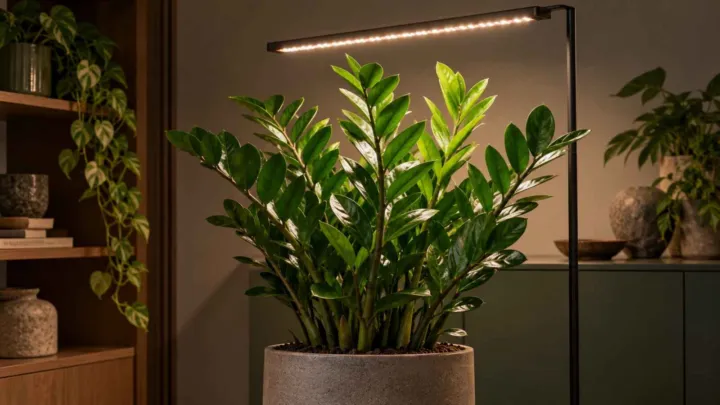
ZZ plants tolerate dim daylight, but a windowless room is different. Learn when a grow light helps and how to avoid treating low light…
Read guide →
Care guide · Reviewed
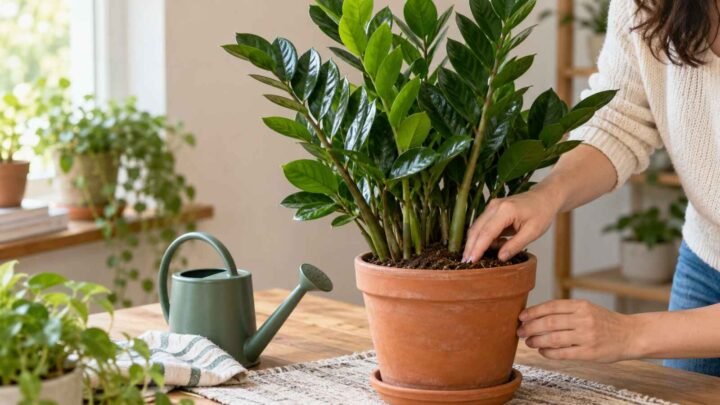
A ZZ plant does not need water on a strict weekly schedule. Its thick underground rhizomes store water, so it tolerates dry periods well.…
Read guide →
Care guide · Reviewed
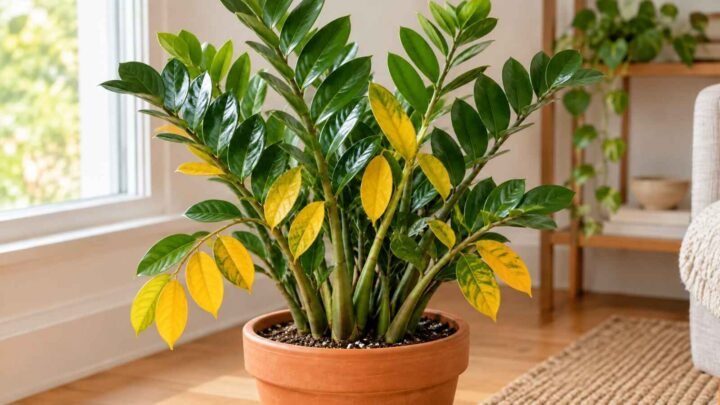
Yellow leaves on a ZZ plant can be worrying, especially when the rest of its glossy foliage still looks healthy. The color alone, though,…
Read guide →
Care guide · Reviewed
Yes. ZZ plants (Zamioculcas zamiifolia) are considered toxic to cats and dogs if chewed or eaten. NC State Extension classifies the plant as having…
Read guide →